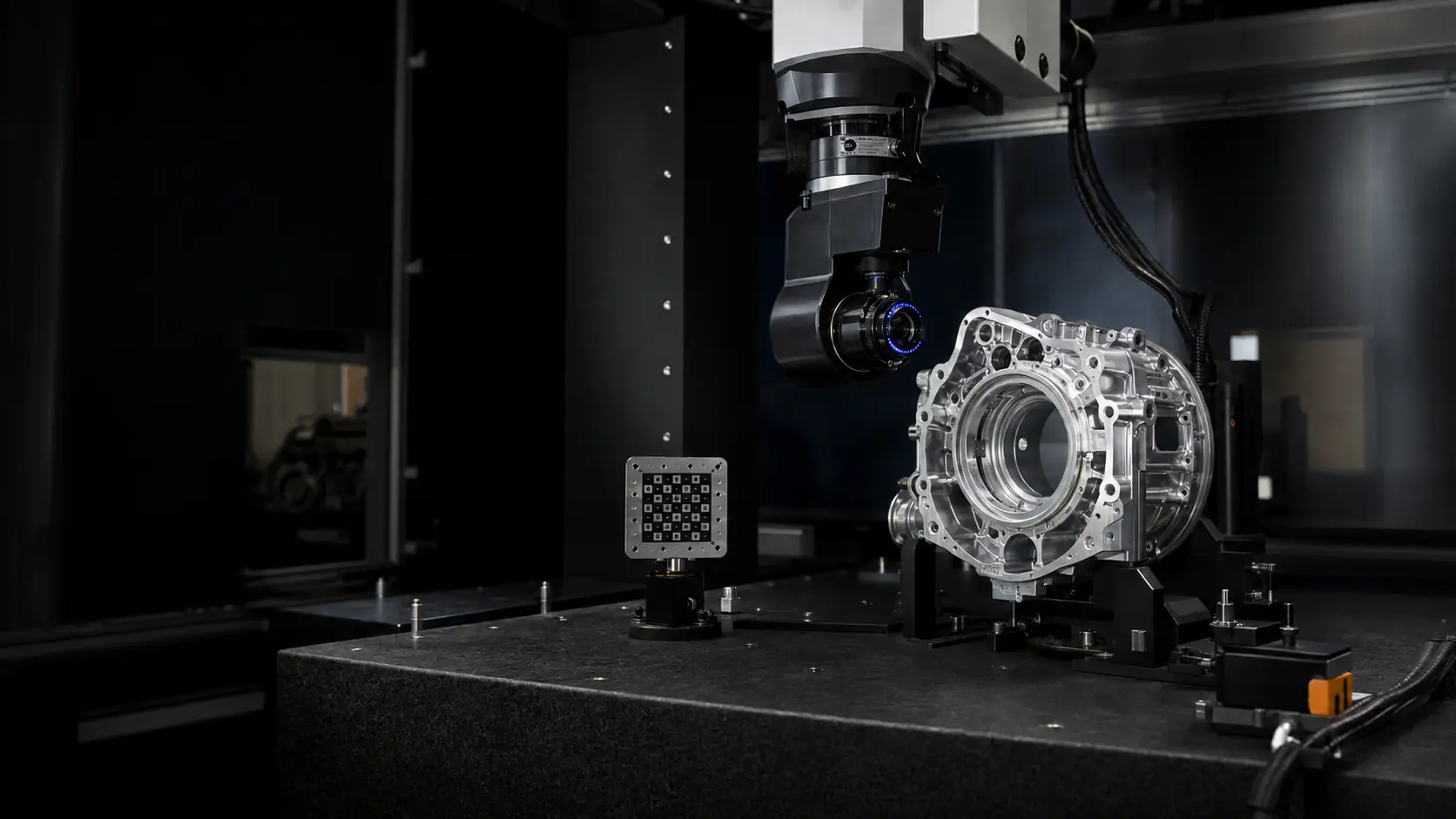
01
Precision systems
Inspection · automation · technical controls

Technical readiness for real business deadlines
Preparing for an audit, insurance renewal, customer review, or major technical change? PointState finds what is actually in place, addresses the agreed problems, and gives leadership a clear report.
Across cloud systems, offices, factories, facilities, vendors, and mixed environments.
POINTSTATE / SYSTEMS OVERVIEW
Advanced environments. Plain answers.
PointState can work across the business systems, technical equipment, vendors, facilities, and operating constraints that keep an organization running.
Inspection · automation · technical controls

Changes planned around work that must continue
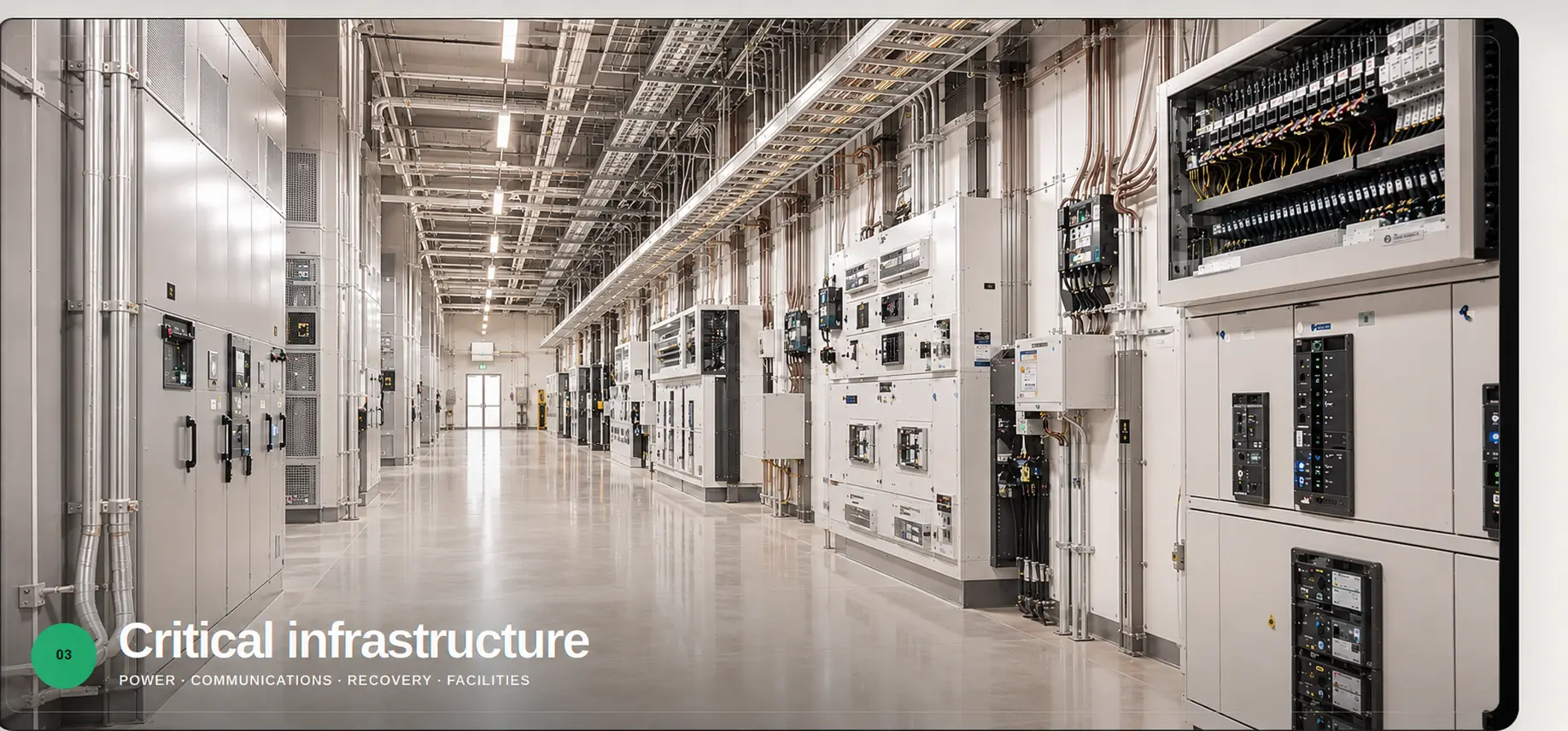
Power · communications · recovery · facilities

More than a report
Clarity is useful when it leads to action. PointState can continue from understanding an environment into agreed repair, migration, deployment, integration, or rebuilding—while accounting for the systems the business must keep running.
See how PointState can continue the work →The common problem
Information is spread across employees, vendors, accounts, old documents, technical systems, and people who each know only one part of the story.
PointState brings those pieces together, identifies what matters for the deadline, and helps leadership decide what should happen next.
You do not need to diagnose the technical issue before contacting us.What PointState can do
The first task is to establish what is actually in place. PointState can then stop with a useful report or continue into separately agreed technical work.
Identify the systems, accounts, vendors, backups, equipment, and responsibilities connected to the business requirement.
Repair weak configurations, clean up access, test recovery, stabilize important systems, and complete other defined improvements.
When repair is not enough, PointState can migrate, redeploy, integrate, automate, or rebuild within an agreed technical plan.
The review does not force additional work. Any repair, migration, or rebuilding work is separately agreed.
Why organizations call
Clients rarely begin with a perfect technical question. They begin with a date, an outside demand, a business consequence, or a change that cannot be allowed to go badly.
An audit or certification date is approaching and the supporting answers are incomplete.
The insurer is asking for technical proof the organization cannot confidently assemble.
A contract, renewal, or supplier relationship depends on a credible response.
Leadership needs a defensible picture before an outside party makes a decision.
Important systems must move without losing control of access, recovery, or daily operations.
Leadership knows something is weak, fragmented, or poorly owned—but does not yet know the full problem.
What leadership receives
The final material is written for the people responsible for the deadline and the business decision—not only for technical specialists.
A clear view of the systems, vendors, access, backups, equipment, and owners connected to the requirement.
A record of the agreed repairs, deployments, migrations, or other technical changes that were completed.
What still matters, why it matters, who should own it, and what decision is needed next.
A plain-language summary of what was found, what changed, what can be shown, and what remains open.
What we need to begin
You do not need to know the exact technical problem.
What prompted the review?An insurer, auditor, customer, lender, buyer, regulator, or internal leadership request.
What do they need?The written request, expected proof, decision, or technical result.
When is it due?The real deadline—and what happens if the organization is not ready.
Frequently asked questions
If your team cannot yet name the exact technical issue, that is normal. Tell us what is being requested, what is at risk, and when it is due.
ISO certification work, cyber-insurance renewals, customer security reviews, lender or buyer diligence, regulatory requests, major migrations, vendor changes, recovery concerns, and other decisions where technical facts must be made clear.
No. PointState can stop with a clear report or continue into separately agreed repair, migration, deployment, integration, automation, or rebuilding work.
Yes, where the environment permits it. PointState can complete agreed technical work while accounting for systems that must remain available. The safe approach depends on the environment and the work required.
No. Begin with what prompted the review, what is needed, the deadline, and what is at risk. PointState can help turn that pressure into a practical technical question.
We begin with the request, the deadline, and the business consequence. If PointState can help, the review boundary, authorized access, expected output, and fee are agreed in writing before work begins.
Cloud, local, vendor-hosted, office, multi-site, industrial, facility, and mixed environments. The work follows the actual requirement rather than a preferred technology brand.
No. PointState can work alongside internal staff, vendors, and existing providers while giving leadership an independent view across the whole requirement.
No. The report stands on its own. Further work happens only when the facts support it and the client separately agrees to the scope.
A plain-language report, a clear systems map, a record of completed work, and a prioritized statement of anything that still needs attention or a decision.
Where PointState fits
PointState is useful when leadership needs one coherent answer across systems, vendors, facilities, people, and records—and may need the technical work completed afterward.
PointState does not replace legal counsel, a certification body, or accountable business leadership. It provides technical clarity and completes agreed technical work.
Start with the deadline
Send the situation in ordinary language. You do not need to diagnose the technology before contacting PointState.
Tell us what is due →